


Recent Winners
- Coty R.CA$7,462.0910/9/2026
- Wayne Z.NZ$16,576.7210/9/2026
- Janessa O.R$11,320.7110/8/2026
- Velva H.$1,528.5710/8/2026
- Remington V.R$26,919.1510/8/2026
- Oleta M.€6,707.6010/8/2026
- Berry R.¥946,17710/7/2026
- Lizzie C.A$13,267.9710/7/2026
- Kyla L.Ð10711.5610/7/2026
- Cole H.Ξ2.04630410/7/2026
- Leanna P.SEK 3,735.4510/7/2026
- Herman M.R$47,679.0010/7/2026
- Bennett B.A$11,468.9410/6/2026
- Bessie W.ZAR 124,572.6710/6/2026
- Filiberto S.NZ$4,027.7810/6/2026
- Bennie R.₹773,543.6610/6/2026
- Reba C.R$5,747.6310/6/2026
- Coty R.CA$7,462.0910/9/2026
- Wayne Z.NZ$16,576.7210/9/2026
- Janessa O.R$11,320.7110/8/2026
- Velva H.$1,528.5710/8/2026
- Remington V.R$26,919.1510/8/2026
- Oleta M.€6,707.6010/8/2026
- Berry R.¥946,17710/7/2026
- Lizzie C.A$13,267.9710/7/2026
- Kyla L.Ð10711.5610/7/2026
- Cole H.Ξ2.04630410/7/2026
- Leanna P.SEK 3,735.4510/7/2026
- Herman M.R$47,679.0010/7/2026
- Bennett B.A$11,468.9410/6/2026
- Bessie W.ZAR 124,572.6710/6/2026
- Filiberto S.NZ$4,027.7810/6/2026
- Bennie R.₹773,543.6610/6/2026
- Reba C.R$5,747.6310/6/2026
- Coty R.CA$7,462.0910/9/2026
- Wayne Z.NZ$16,576.7210/9/2026
- Janessa O.R$11,320.7110/8/2026
- Velva H.$1,528.5710/8/2026
- Remington V.R$26,919.1510/8/2026
- Oleta M.€6,707.6010/8/2026
- Berry R.¥946,17710/7/2026
- Lizzie C.A$13,267.9710/7/2026
- Kyla L.Ð10711.5610/7/2026
- Cole H.Ξ2.04630410/7/2026
- Leanna P.SEK 3,735.4510/7/2026
- Herman M.R$47,679.0010/7/2026
- Bennett B.A$11,468.9410/6/2026
- Bessie W.ZAR 124,572.6710/6/2026
- Filiberto S.NZ$4,027.7810/6/2026
- Bennie R.₹773,543.6610/6/2026
- Reba C.R$5,747.6310/6/2026
- Coty R.CA$7,462.0910/9/2026
- Wayne Z.NZ$16,576.7210/9/2026
- Janessa O.R$11,320.7110/8/2026
- Velva H.$1,528.5710/8/2026
- Remington V.R$26,919.1510/8/2026
- Oleta M.€6,707.6010/8/2026
- Berry R.¥946,17710/7/2026
- Lizzie C.A$13,267.9710/7/2026
- Kyla L.Ð10711.5610/7/2026
- Cole H.Ξ2.04630410/7/2026
- Leanna P.SEK 3,735.4510/7/2026
- Herman M.R$47,679.0010/7/2026
- Bennett B.A$11,468.9410/6/2026
- Bessie W.ZAR 124,572.6710/6/2026
- Filiberto S.NZ$4,027.7810/6/2026
- Bennie R.₹773,543.6610/6/2026
- Reba C.R$5,747.6310/6/2026
Skill Based Slot Games On the Horizon
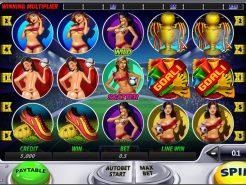
Skill-based slot games could soon move from industry talking point to a more visible part of the casino floor and online casino conversation. The idea is simple enough - instead of every outcome depending entirely on random chance, part of the result or bonus round may be influenced by a player’s timing, accuracy, decision-making, or hand-eye coordination.
That shift matters because casinos, developers, and regulators have spent years looking for new ways to connect with younger adult players who grew up on mobile games, consoles, esports, and interactive entertainment. Traditional slots still dominate revenue, but skill-based mechanics keep coming back into the discussion as the next possible format to watch.
Why skill-based slots are back in the spotlight
The concept is not brand new, but momentum has picked up again as game studios look for fresh product ideas in a crowded market. Standard video slots remain the backbone of most online casinos, yet many operators want more variety than free spins, multipliers, and pick-and-click bonus rounds alone.
Skill-based slots aim to bridge that gap. A base game may still use a random number generator, but a bonus feature could let players affect payouts by completing a challenge. Think quick target shooting, symbol collection, reaction-time sequences, or puzzle-style rounds that add a layer of agency.
For US-facing casino brands, that is a notable development. Operators such as Vegas USA Casino, Roller Casino, and WinStar Casino already feature familiar slot catalogs built around established suppliers and classic casino formats. If skill-based titles gain traction, they could eventually sit alongside those standard games rather than replace them.
What “skill-based” really means in a slot game
This is where the topic gets more complicated. In most regulated gambling environments, slots cannot simply become pure video games where player talent fully determines the payout. Regulators require fairness, transparency, and controls around payout percentages.
So, in practice, most skill-based slot concepts use a hybrid model. The random element still plays a central role, while the skill component usually affects a bonus outcome, prize level, or feature value within a controlled structure.
That distinction is important. Casinos are not suddenly turning slot floors into arcade rooms. Instead, they are testing whether players want more participation during gameplay, especially in bonus rounds that feel more active than passive.
The tech suppliers that could shape the next wave
Any serious push toward skill-based slots will depend heavily on software providers. Established names with deep slot libraries already understand how to package math models, features, and themes for casino audiences. That gives them a head start if they decide to lean harder into interactive formats.
One company worth watching is Real Time Gaming, which has been around since 1998 and has long supplied a broad mix of slot titles to online casinos. Its portfolio already shows how varied slot design can be, from classic one-line setups to feature-heavy video games with multiple bonus layers.
Another brand in the broader software conversation is Bovada Gaming. While not specifically tied to skill-based slots in the data here, the larger point remains the same - developers that know how to build sticky casino content are likely to be central to any shift in player-facing game design.
Familiar slots already hint at the path forward
Even many traditional slots contain light interactive elements that point toward where the market could go next. These are not fully skill-based games, but they show that players are already comfortable with mechanics beyond simply pressing spin and waiting.
A title like Jumping Beans Slots includes features such as auto nudge and bonus-style interactions, while Crazy Vegas Slots adds a “Big Bonus Game” structure that breaks up the standard reel cycle. Monster Mayhem Slots, with its re-spin feature and 50 paylines, also reflects how developers have steadily made slots more event-driven.
The same pattern shows up across different themes and formats. Santastic Slots uses extra feature layers tied to holiday symbols, Medal Tally Slots frames bonus play around a sports theme, and Sevens and Stripes Slots represents the opposite end of the spectrum with a much simpler classic setup. That range highlights the market challenge: some players want more interaction, while others still prefer straightforward slot play.
Why younger US players matter so much
The business case behind skill-based slots is easy to understand. Younger adult gamblers are often more familiar with interactive game loops than old-school mechanical slot play. They may still enjoy blackjack, sports betting, and online slots, but they also expect a stronger sense of control and engagement.
That does not mean traditional slots are going away. It means casinos want products that can sit between standard slot machines and pure video game experiences. If a player enjoys short-form mobile challenges, a hybrid gambling game with a skill-driven bonus may feel more natural than a standard five-reel spin cycle.
This matters even more in the US, where gaming brands compete for attention across online casino apps, sportsbooks, daily fantasy, and social gaming. In that environment, fresh gameplay can be as valuable as a new bonus offer.
The regulatory hurdle no one can ignore
The biggest challenge is not theme, graphics, or player interest - it is regulation. Any game described as “skill-based” must still meet strict legal and technical standards, especially if it is offered in licensed markets.
Regulators will want clear answers to basic questions. How much of the outcome is random? How much can player ability change the result? Is the game transparent enough for players to understand what they are risking? Those questions become even more important when marketing language starts emphasizing control or player advantage.
That is why the rollout is likely to be gradual. Developers and casinos have to balance innovation with compliance, and no reputable operator can suggest that better reflexes guarantee profits. Skill may influence part of the experience, but gambling risk remains part of the product.
What this could mean for online casinos
If skill-based slot games gain momentum, online casinos may be the most natural place for them to grow. Mobile devices already support touch controls, fast animations, and interactive bonus sequences, which makes digital deployment much easier than retrofitting a large land-based slot floor.
Casinos with broad software mixes, including brands like Riviera Royale Casino, 188Bet Casino, and 6Black Casino, could eventually benefit if more studios release hybrid content that fits modern player preferences. That said, adoption will likely depend on licensing, market availability, and whether players actually return to these games after the novelty wears off.
That last point may decide everything. Plenty of casino ideas generate curiosity at launch, but long-term success depends on retention. Players have to feel that the added skill makes the game more fun, not more frustrating or confusing.
The big question: trend or lasting category?
Right now, skill-based slots still look more like an emerging direction than a settled product class. The industry has talked about them for years, yet broad mainstream adoption has remained limited. Still, the pressure to innovate has not gone away, and neither has the search for formats that connect with a changing player base.
So, yes, skill-based slot games are on the horizon. The more realistic expectation is not that they will overtake standard slots overnight, but that they may carve out a useful niche as developers refine the balance between random chance and interactive play. If that balance finally clicks, this long-discussed concept could become one of the more interesting stories in online casino gaming over the next few years.
Get Your Bonuses


Special Bonuses
Best Casino Bonus Offers


Code:BELLA600
Up to:$6,000.00
Play at:Bella Vegas Casino
Bonus Percent:600%

Play at:Lott-O-Fun Casino

Up to:$700.00
Play at:Luck3 Casino
Bonus Percent:150%
Latest News